
Workflow automation

Have you had an app idea in your head for a long time? Turn it into reality with a chance to win! At exactly 10:10 on stage Tabidoo we are starting a contest where three of you can win 5 000 CZK!
✅ Register at Tabidoo.cloud with the promo code DIGIFEST2023. ✅ Create an app and share it with the user [email protected]. ✅ Each person can share up to two apps – so you have double the chance to win! Or for two prizes! ✅ For more info about the contest rights, see HERE.
???? The authors of the three best apps will win 5 000Kč!
The contest closes on 1 November 2023! The announcement of the winning applications will take place on 11. 11. 2023!
We are looking forward to your projects!
Workflow automation
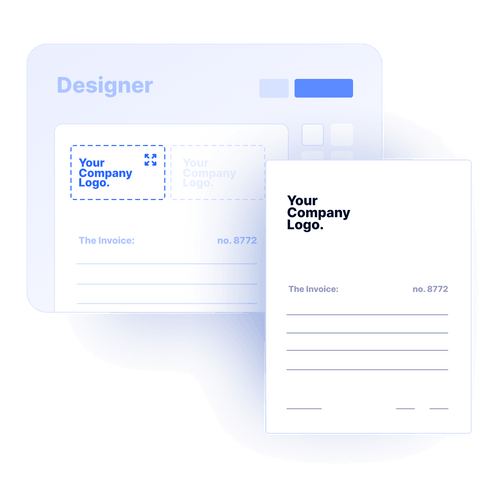
Reports
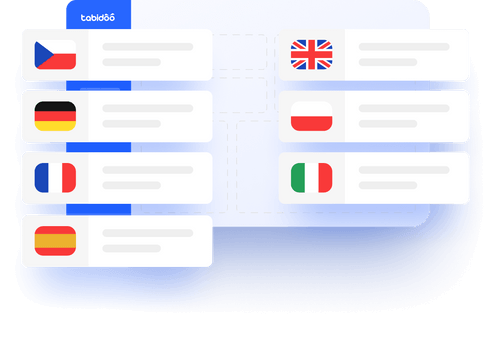
Multilingual
Quick setup, zero risk, full control.
No trial limits
No user fees
No credit card required

Recent PHP security vulnerabilities have raised concerns about the security of websites and applications. What’s happening, who is affected, and why can Tabidoo users continue working without worrying about these specific vulnerabilities?

Excel is no longer enough for your business when managing spreadsheets takes more time than actually working with the data. Common warning signs include duplicate information, manual data entry, disorganized order management, complicated approval processes, and reporting that depends on a single employee. If spreadsheets have become the main tool for managing your business processes, it may be time to switch to a connected business application like Tabidoo.
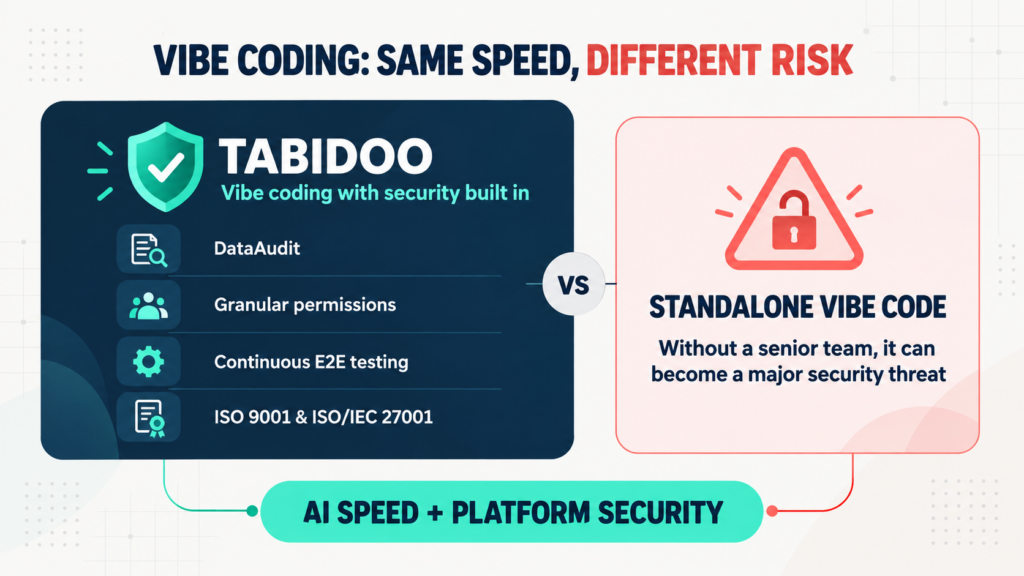
Vibe coding delivers speed, but not automatic security. Tabidoo combines AI with DataAudit, granular permissions, continuous E2E testing and certified processes.
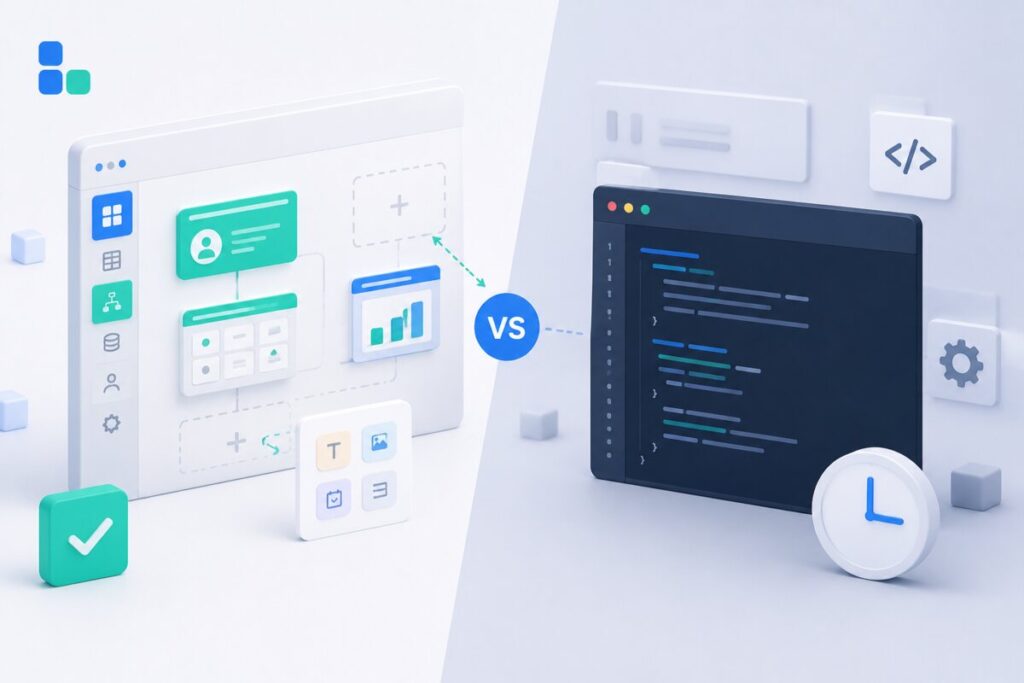
Learn when to build an internal app in Tabidoo – with no per-user fees, flexible workflows, role-based access, audit history, API and custom logic.