
Workflow automation
Published August 3, 2026
The fastest way to speed up invoice approval is to digitize the entire approval process. Instead of forwarding emails, searching for documents, or making phone calls, companies can implement an automated workflow in which every invoice follows predefined approval steps. This allows businesses to reduce approval times from days to hours, gain full visibility into every invoice, and significantly reduce errors.
Author Tabidoo
4 minutes to read
However, simply digitizing documents is not enough. The key is to connect invoices with responsible employees, approval rules, and workflow automation.
In most companies, the invoice itself is not the problem. The problem is everything that happens around it.
Invoices are forwarded by email, waiting for approval, approvers are out of the office, and accountants have to chase people for responses. The result is unnecessary delays, increased administrative work, a higher risk of late payment penalties, and weaker supplier relationships.
Every invoice follows a clearly defined lifecycle:
Every step is traceable and fully transparent.
Automation eliminates repetitive manual work. It can automatically:
The result is a faster approval process with fewer mistakes.
Companies typically achieve:
Based on Tabidoo implementation experience, the biggest delays usually do not occur during accounting. They happen between individual approval steps.
A digital workflow removes most of these bottlenecks and gives management real-time visibility into the entire approval process.
Imagine a company processing 400 invoices every month. Without a workflow, accountants spend time chasing approvers while invoices remain stuck in inboxes.
With a digital workflow, the system automatically assigns the correct approver, sends reminders when deadlines are missed, and transfers approved invoices directly into the accounting system.
Tabidoo enables companies to create custom invoice approval workflows tailored to their internal processes.
For example, you can configure:
AI can:
However, AI delivers real value only when it works with reliable business data.
If invoices get lost in emails, accountants regularly chase approvers, or you never know where an invoice currently is, it is probably time to digitize the process.
By digitizing the approval workflow and automating repetitive tasks.
Ideally, a few hours rather than several days.
AI can support the approval process, but responsibility for approval always remains with people.
Better visibility, faster approvals, fewer errors, and greater control over company spending.
Once approval rules are digitized, responsibilities clearly defined, and repetitive tasks automated, companies gain a faster process, greater visibility, and higher operational efficiency.
The goal is not only to approve invoices faster, but to ensure that every invoice follows a transparent, traceable path from receipt to accounting.
Workflow automation

Reports

Multilingual
Quick setup, zero risk, full control.
No trial limits
No user fees
No credit card required

Recent PHP security vulnerabilities have raised concerns about the security of websites and applications. What’s happening, who is affected, and why can Tabidoo users continue working without worrying about these specific vulnerabilities?

Excel is no longer enough for your business when managing spreadsheets takes more time than actually working with the data. Common warning signs include duplicate information, manual data entry, disorganized order management, complicated approval processes, and reporting that depends on a single employee. If spreadsheets have become the main tool for managing your business processes, it may be time to switch to a connected business application like Tabidoo.
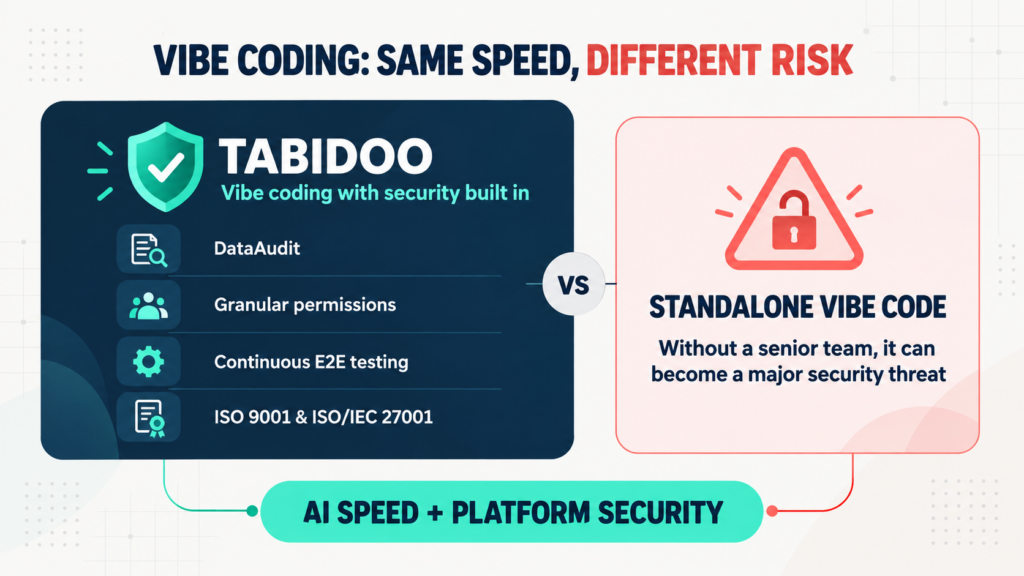
Vibe coding delivers speed, but not automatic security. Tabidoo combines AI with DataAudit, granular permissions, continuous E2E testing and certified processes.
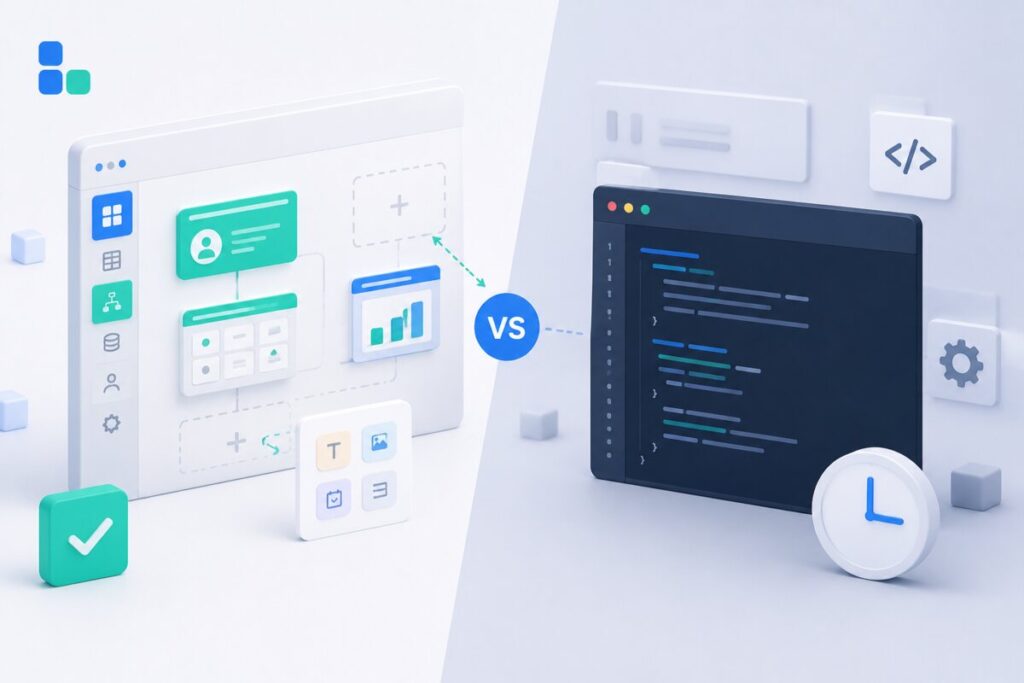
Learn when to build an internal app in Tabidoo – with no per-user fees, flexible workflows, role-based access, audit history, API and custom logic.